
There’s something fascinating about old tech—those tiny devices that somehow felt alive even with only a few pixels and a beeping speaker.
Last year I tried recreating that feeling by building my own virtual pet. The result was fun, but not enough. It needed more personality… more purpose… more chaos.
So I rebuilt it from scratch.
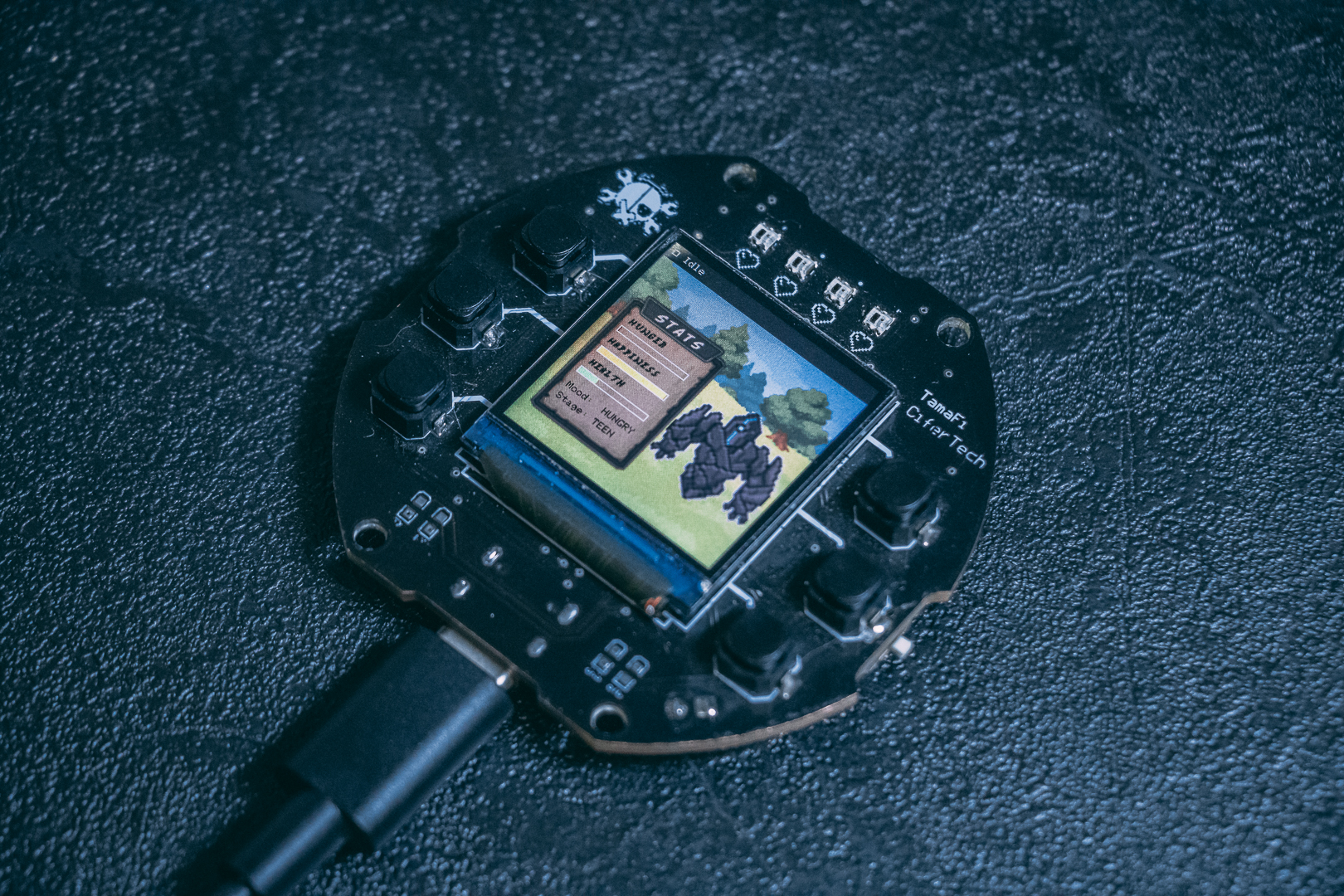
TamaFi V2 isn’t just another Tamagotchi clone.
It’s a standalone cyber-creature living inside a custom PCB, powered by ESP32-S3, scanning WiFi networks around it, reacting to the environment, evolving based on how you treat it, and occasionally doing things you probably shouldn’t ask too many questions about.
Let’s break it down.
📦 Hardware — Smaller, Cleaner, Meaner
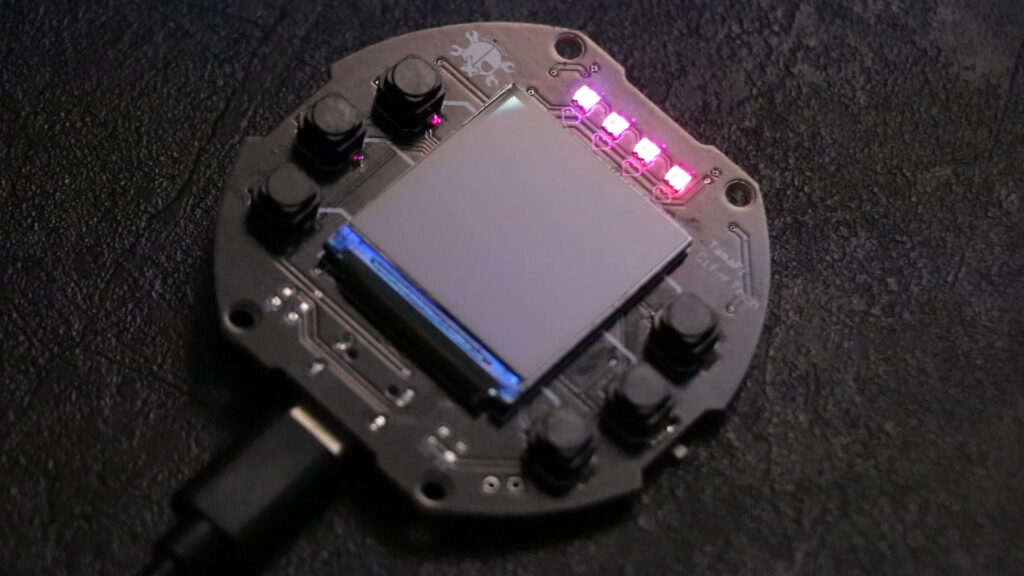
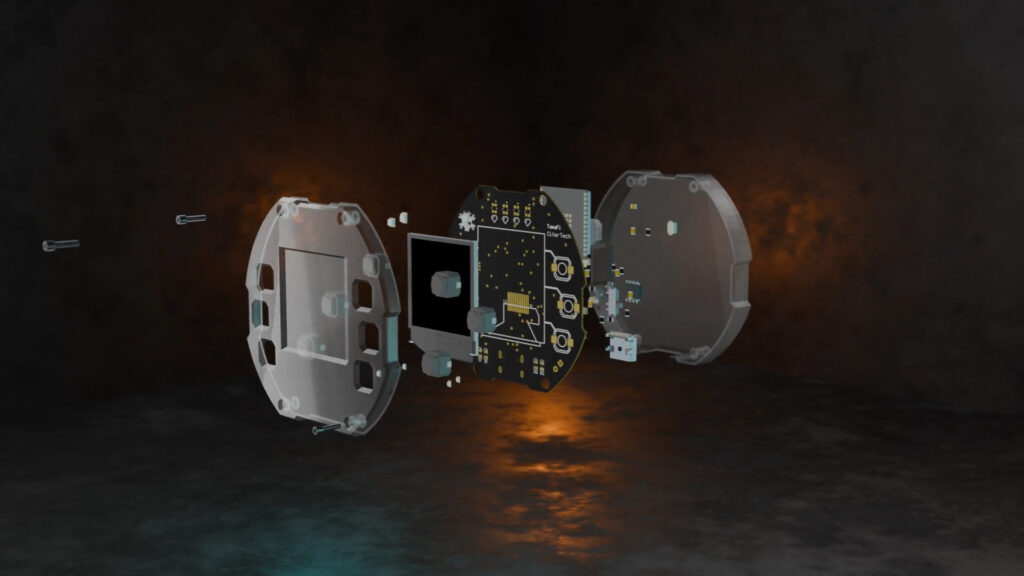
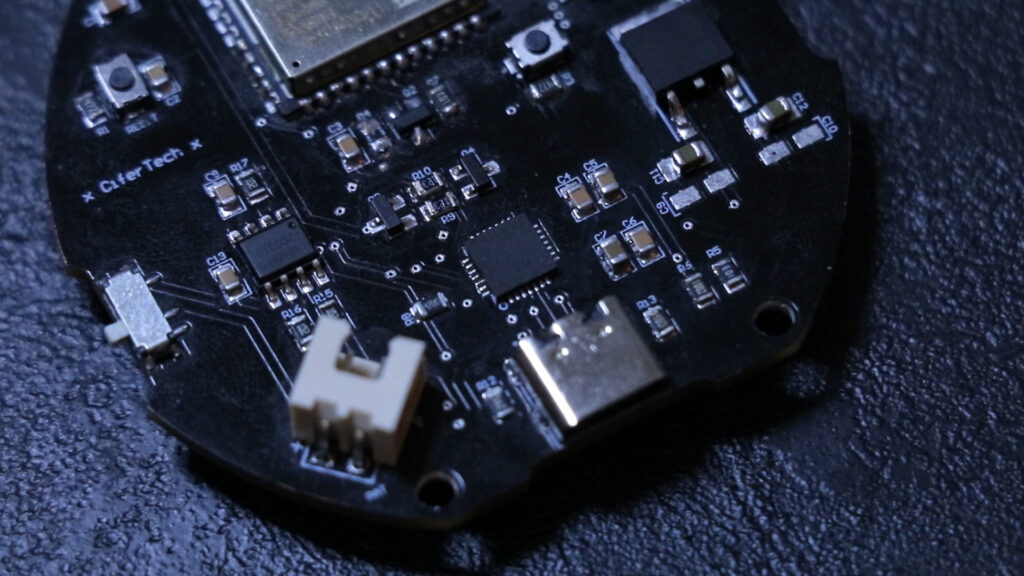
For this version, I wanted TamaFi to look like a real product, not a development board with a screen glued on top.
Changes from V1 → V2
-
Half the size of the original board
-
A custom-shaped PCB designed for symmetry
-
Non-modular ST7789 TFT for a clean, integrated look
-
MOSFET brightness control for smooth backlight levels
-
6 soft tactile switches — clean, responsive, and satisfying
-
WS2812B-2020 Neopixels for subtle mood and status lighting
-
TP4056 charging module, because yes — it’s pocket-friendly
-
Optional CP2102 USB-TTL, although the S3 has native USB anyway
During assembly I managed to slightly burn the display with the hot-air gun… but thankfully it survived. Cifer-luck.
📡 Software — Smarter, Reactive, Alive
TamaFi isn’t scripted. It thinks, makes choices, and reacts to the wireless environment around it.
Core Features
-
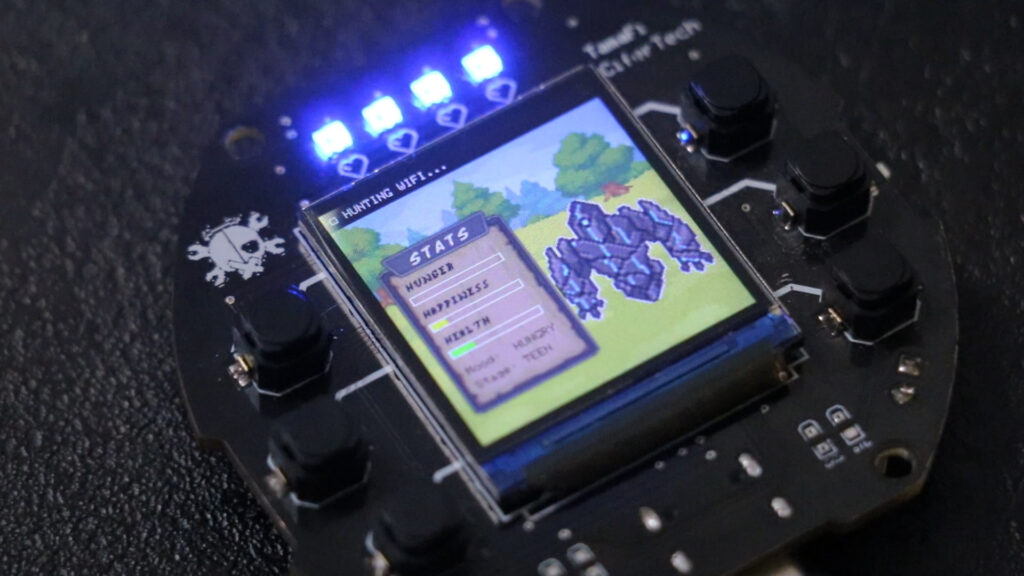
WiFi-based feeding system
Your pet “hunts” for networks. More networks = fuller and happier pet. -
Mood engine
Hunger, happiness, health, network density — all influence behavior. -
Autonomous actions
If you ignore TamaFi, it makes decisions on its own. -
Evolution system
It grows from Baby → Teen → Adult → Elder based on stats and time. -
Rest cycles
Smooth animations, recovery bonuses, and personality changes.
🧪 “Unusual” Abilities (for… science)
TamaFi V2 contains a few experimental features inspired by cybersecurity labs.
Included:
-
Aggressive mode → When your pet gets angry, it sends Deauth bursts to nearby networks, causing brief disruptions.
-
Broadcast mode → TamaFi creates WiFi access points with messages based on its mood.
-
Network curiosity → Hidden SSIDs, open networks, and strong RSSI affect happiness and stats.
Everything is purely educational, of course.
🛠 Tools Born During Development
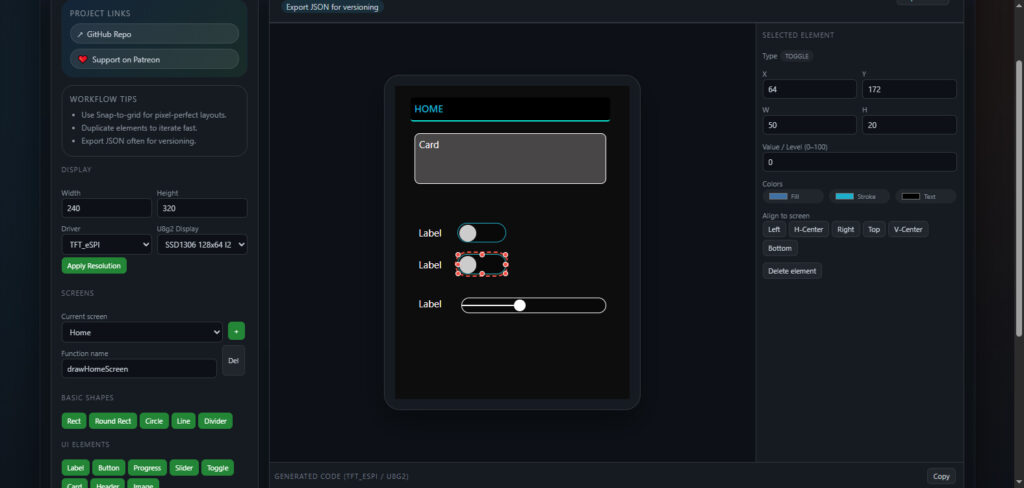
While working on V2, I ended up creating a helper tool:
🔧 DisplayKit
A web-based UI-builder for TFT & OLED displays.
No installation, no setup — just open in your browser and start designing.
Available on my GitHub.
This saved hours of layout work.
📑 Menu System
TamaFi’s UI is simple but packed:
-
Pet Status → Age, mood, stage, stats
-
Environment → WiFi landscape
-
System Info → Device health, runtime
-
Controls → Brightness, sound, LEDs
-
Settings → Reset, autosave, behaviors
-
Diagnostics → Development testing modes
And yes: you can navigate faster using the side buttons.
🧬 What’s Next?
I’m nowhere near finished.
Next upgrades:
-
AI personality so you can actually talk to your pet
-
More wireless-aware behaviors
-
More chaotic modes
-
A webapp interface
-
Expansion modules
-
And a few things I’ll keep secret for now
TamaFi V2 is just warming up.
🧡 Sponsored by NextPCB
Big thanks to NextPCB for supporting this project!
If you’re building your own TamaFi or any other PCB project, I highly recommend NextPCB for fast, reliable, and affordable PCB manufacturing and assembly.
🛠️ Get your boards made here → https://www.nextpcb.com
💻 Code & PCB
If you’re interested in building this project, the code and schematic are available on GitHub. Simply visit the GitHub repository to download the necessary files. Feel free to test the code and share your feedback or improvements.
GitHub repository: github.com/cifertech/RF-Clown
If you like projects that mix hardware, software, and a bit of digital mischief — TamaFi is one of my favorites so far.
Let me know what features you want in V3.
More chaos soon.